
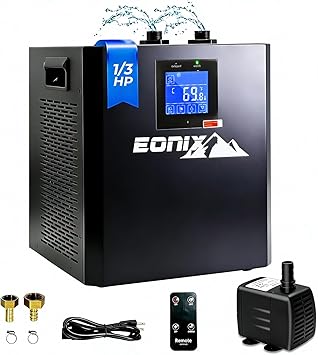
Cold plunges have gained immense popularity for their benefits in recovery, muscle relaxation, and even mental clarity. Athletes, fitness enthusiasts, and wellness advocates alike have turned to this practice to enhance their physical and mental well-being. For anyone venturing into the world of cold therapy, choosing the right chiller is crucial. Two options often discussed are the 1/3 HP Water Chiller for Ice Bath and the Glydea 1/3HP Cold Plunge Water Chiller. Having used both, I’ve come to appreciate the nuances that can make a significant difference in your experience. This article will break down the key features, performance, and overall value of each chiller to help you decide which one might be the best fit for your needs.
⏩ LASSO PRODUCT TABLE GOES HERE
When it comes to performance, both the 1/3 HP Water Chiller and the Glydea model do their jobs well, but there are some differences worth noting. The 1/3 HP Water Chiller for Ice Bath is designed specifically for cold plunges, offering quick cooling capabilities that can lower water temperature effectively. In my experience, it tends to cool water rapidly, making it a solid choice for those who want to jump in right after a workout. It can bring the water temperature down to a refreshing chill in a matter of minutes, which is essential for athletes looking to maximize their recovery time.
On the other hand, the Glydea 1/3HP Cold Plunge Water Chiller has its own strengths. It operates quietly, which is a huge plus if you’re setting it up in a home gym or wellness space. I’ve found that the Glydea model maintains consistent temperatures, ensuring that your cold plunge remains at the desired chill level throughout your session. This can be particularly beneficial for those who prefer long immersions, as fluctuations in water temperature can disrupt the therapeutic effects of cold therapy. The Glydea’s ability to sustain temperature stability can enhance your overall experience, allowing for longer and more effective cold therapy sessions.
Next up is the design and build quality. The 1/3 HP Water Chiller has a more robust and industrial feel. It’s built to last, and I’ve noticed that it can handle heavy usage without any issues. The layout is user-friendly, with clear controls that are easy to navigate. The sturdiness of its construction makes it suitable for both home and commercial settings, as it can withstand the rigors of frequent use. However, some users might find it a bit bulkier than they prefer, which could be a consideration if you’re limited on space. Its larger footprint might require planning in terms of placement, especially if you’re integrating it into a smaller area.
In contrast, the Glydea 1/3HP Cold Plunge Water Chiller boasts a sleeker design. It’s not only visually appealing but also compact enough to fit into tighter spaces. The attention to aesthetics can’t be overlooked, especially if you’re integrating it into a home environment. It blends well with modern decor, making it a stylish addition to your wellness space. The controls are intuitive as well, making it straightforward to adjust settings without diving into a manual. Furthermore, the Glydea’s design incorporates features that facilitate easy maintenance, such as accessible filters and drain points, which can save you time and effort in the long run.
Both chillers have their strengths and weaknesses. Let’s break them down.
Pros:
Cons:
Pros:
Cons:
Determining who each chiller is best suited for can make your decision easier. The 1/3 HP Water Chiller for Ice Bath is ideal for athletes or fitness enthusiasts who prioritize rapid cooling after intense workouts. If you are someone who frequently hosts friends for ice baths or has a busy schedule, this model could be your best bet. Its ability to quickly lower water temperatures allows you to maximize the benefits of cold therapy without prolonged waiting times.
On the flip side, if you’re setting up a home spa or wellness area and value a quieter, aesthetically pleasing appliance, the Glydea 1/3HP Cold Plunge Water Chiller might be the better option. It caters well to those who appreciate design without sacrificing functionality. This model is particularly suited for individuals who enjoy longer, meditative sessions in cold water, as its temperature consistency ensures a comfortable experience throughout.
After weighing the pros and cons, it’s clear that both chillers have their unique advantages. If I had to choose one, I would lean towards the Glydea 1/3HP Cold Plunge Water Chiller for its sleek design and quiet operation, especially for home use. Its ability to maintain consistent temperatures is a significant advantage for those who prioritize longer sessions. However, if speed and performance are your top priorities, the 1/3 HP Water Chiller for Ice Bath is hard to beat. Its rapid cooling capabilities make it a standout choice for athletes in need of quick recovery solutions.
Ultimately, your choice will depend on your specific needs and preferences. Whether you prioritize aesthetics, noise levels, or cooling speed, both chillers offer solid performance and reliability.
|
|

|
|
$339.99
|
$499.99
|
The primary difference lies in their cooling efficiency and design. The 1/3 HP Water Chiller for Ice Bath offers faster cooling, while the Glydea 1/3HP Cold Plunge Water Chiller is quieter and has a more compact design. This means that if you need quick cooling after workouts, the former is ideal, while the latter suits those who prefer a serene environment.
Yes, both chillers can be used for various applications, such as cooling water for hydrotherapy or even for small aquariums, depending on the water capacity. Their versatility makes them valuable additions to any wellness or recreational setup.
Regular maintenance is essential. It’s recommended to clean the chiller every few months, especially if it is frequently used. Always refer to the manufacturer’s guidelines for the best cleaning practices. Proper maintenance not only prolongs the life of the chiller but also ensures optimal performance.
In general, both chillers are designed to be energy efficient. However, energy consumption can vary based on usage frequency and ambient temperature. Checking the specifications for energy ratings can provide more specific details. It’s worth considering the long-term operational costs when making your decision.
Most reputable brands, including both models discussed, typically offer warranties. Be sure to check the manufacturer’s warranty policy to understand coverage details and duration. A solid warranty can provide peace of mind and protect your investment in the long term.