When it comes to home workouts, rowing machines have carved out a special place in many fitness enthusiasts’ hearts. The Wenoker Magnetic Rowing Machine has gained quite a following for its smooth operation and sturdy design, but what if it doesn’t quite fit your needs? You might be looking for alternatives that offer similar features or perhaps even a better fit for your specific requirements. I’ve spent some time exploring various options, and I’m here to share some insights on a couple of alternatives that might just suit your goals.
|
|

|
|
|
|
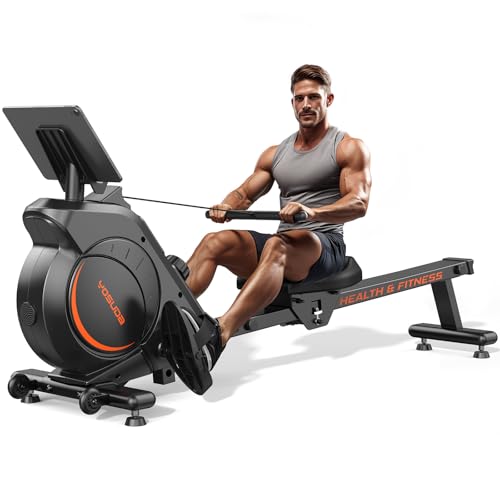
If you’re considering alternatives to the Wenoker, let’s start with the YOSUDA Magnetic Rowing Machine. This model stands out for its impressive weight capacity of 350 pounds, making it a sturdy choice for a diverse range of users. In my experience, having a solid weight limit often correlates with better durability, and the YOSUDA machine certainly feels robust. This durability is particularly important for users who may be heavier or who plan to use the machine frequently, as it ensures a safer and more reliable workout experience.
What I appreciate about this rowing machine is its magnetic resistance system. It provides a smooth and quiet workout, which is perfect for those early morning sessions when you don’t want to wake the whole house. The resistance can be adjusted easily, allowing you to customize your workout intensity. This feature is particularly beneficial for anyone looking to increase their strength or endurance progressively. With multiple resistance levels, users can start at a lower intensity and gradually challenge themselves as their fitness improves.
The YOSUDA also comes with an LCD monitor that tracks your time, count, and calories burned, helping you stay motivated and informed throughout your workout. I found that having these metrics displayed in real-time made my sessions feel more purposeful. The monitor is user-friendly and easy to read, which is a significant advantage when you’re in the middle of an intense workout. Plus, the overall design is sleek and compact, which is a bonus if you’re limited on space. The machine’s foldable feature allows for easy storage, making it an excellent choice for those with smaller workout areas.
Now, let’s dive a bit deeper into how the Wenoker Magnetic Rowing Machine stacks up against the YOSUDA. Both machines feature magnetic resistance, which is great for quiet operations. However, the YOSUDA’s higher weight capacity might be a deciding factor for some. If you’re someone who is on the heavier side, or if you anticipate using the machine for years to come, that extra durability could be crucial. The construction quality is evident in both machines, but the YOSUDA’s robust build gives it an edge in terms of longevity.
In terms of adjustability, both machines offer a range of resistance levels. However, I found that the YOSUDA’s adjustments felt a bit more intuitive and smooth during my workouts. It’s less about a specific number and more about how the machine feels while you’re rowing. The Wenoker does have its strengths, particularly in its ergonomic design, which many users find comfortable. The seat is designed to provide support during long sessions, reducing the risk of discomfort or strain. But if you prefer a machine that can grow with you and adapt to your evolving fitness level, the YOSUDA might just edge it out.
Price is always a critical factor when selecting home gym equipment. The Wenoker often comes at a competitive price point, which is attractive if you’re on a budget. However, the YOSUDA, while slightly higher in price, offers substantial value given its weight capacity and build quality. It’s worth considering how much you’re willing to invest in a machine that you’ll be using regularly. Sometimes, spending a little more upfront can save you money down the line if the machine lasts longer. Additionally, consider the warranty and customer service reputation of the manufacturer, as this can also affect the overall value of your investment.
In my experience, it’s also essential to think about your workout goals. If you’re focused on building strength and endurance, investing in a machine that supports your journey… like the YOSUDA… can be a wise decision. The extra features and sturdiness might just make your workouts more enjoyable and effective. Moreover, a well-constructed machine can withstand the rigors of daily use, ensuring that you can maintain your fitness routine without worrying about equipment failure.
Another aspect to keep in mind is the space you have available. Both the Wenoker and YOSUDA Magnetic Rowing Machines are designed to be compact, which is ideal for home use. However, if you’re tight on space, you may want to look at how each machine folds up or can be stored. The YOSUDA, for example, features a foldable design that allows it to be stored vertically, taking up minimal floor space when not in use.
From personal experience, I’ve found that being able to easily store equipment can be a game-changer. Some rowing machines have wheels for easy transport, and I appreciate that both of these models offer this feature. This mobility is particularly beneficial for those who may need to move their equipment frequently or want to store it away after workouts. Just a little thought about how often you’ll need to move it can help you make a more informed choice. Additionally, consider the overall footprint of the machine when it’s in use; ensuring you have enough room to perform your workouts safely is crucial.
After weighing the pros and cons of both machines, I believe the YOSUDA Magnetic Rowing Machine is a strong alternative to the Wenoker. Its higher weight capacity, smooth operation, and user-friendly design make it a worthwhile investment for most users. Whether you are a beginner or looking to up your fitness game, the YOSUDA seems to tick all the right boxes for versatility and durability. If you prioritize a machine that can adapt to your fitness journey and provide a reliable workout experience, the YOSUDA is likely the better choice.
|
|
|
|
|
|
When choosing a rowing machine, consider factors like resistance type, weight capacity, comfort, and size. It’s also beneficial to check for additional features like an LCD monitor to track your progress. Comfort features such as a padded seat and adjustable footrests can significantly enhance your workout experience.
Magnetic rowing machines use magnets to create resistance, offering a quiet and smooth experience. In contrast, water rowing machines simulate the feel of rowing on water, which can be more immersive but tends to be noisier. The choice between the two often comes down to personal preference regarding the workout feel and sound level.
Absolutely! Rowing machines provide a full-body workout, engaging muscles in your legs, back, and arms. They also improve cardiovascular fitness, making them an excellent option for overall health. Rowing is a low-impact exercise, which means it’s easier on the joints compared to running or other high-impact activities.
Regular maintenance can include wiping down the machine after use, checking for loose parts, and occasionally lubricating any moving parts. Following the manufacturer’s guidelines will help ensure longevity. Additionally, keeping the machine in a dry place can prevent rust and deterioration.
Yes, rowing machines are suitable for beginners. They allow you to start at your own pace and gradually increase resistance as you build strength and confidence in your rowing technique. Many machines also come with instructional resources or online tutorials to help new users learn proper form and technique.