

When it comes to building strength and getting the most out of your workouts, having the right weight plates can make a significant difference. Whether you’re a seasoned lifter or just starting your fitness journey, understanding the various options available can help you make an informed decision. In this article, we’ll take a closer look at three popular choices: the Gikpal Olympic Weight Plates, Steel Olympic Plates 175LB Set, and the XDDIAS Rubber Weight Plates. Let’s dive in!
|
|
|

|
|
$109.99
|
$330.00
|
$189.99
|
The Gikpal Olympic Weight Plates are designed with durability and functionality in mind. Made from high-quality materials, these rubber-coated plates offer a great grip and are less likely to damage your flooring or barbell. In my experience, one of the standout features is the 2-inch hole size, which fits most Olympic bars perfectly. This feature ensures that you can easily switch between different bars or use them in various settings, whether at home or in a gym.
Another aspect I appreciate about these plates is their versatility. You can use them for various exercises, from squats to deadlifts to bench presses. The rubber coating not only provides a secure grip but also enhances the overall aesthetic of the plates, making them visually appealing in addition to being functional. Plus, the rubber coating helps to reduce noise during workouts, making them suitable for home gyms where you might want to keep the peace. While they may be a bit pricier than some standard plates, the quality justifies the investment.
Additionally, the Gikpal Olympic Weight Plates come in a variety of weight options, allowing you to easily scale your workouts according to your strength level. This is particularly beneficial for those who are progressively overloading their lifts, as you can add smaller increments of weight without needing to purchase multiple sets of plates. The plates are also designed to be easy to handle, with a textured surface that provides extra grip, ensuring safety during lifts.
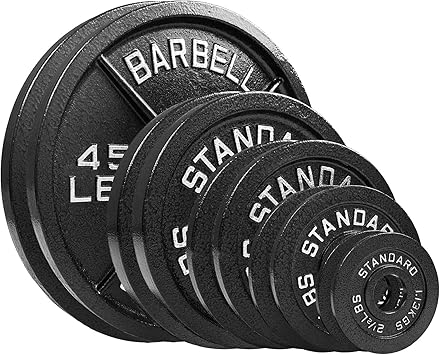
If you’re looking for something more traditional, the Steel Olympic Plates 175LB Set might catch your eye. These plates are made from solid steel, which gives them a classic look and feel. They are incredibly durable and can withstand heavy use in a gym setting. The steel construction means that they are less likely to chip or crack compared to other materials, making them a long-lasting addition to your workout equipment.
One of the benefits of using steel plates is their compact design. They take up less space on the barbell compared to other types, allowing you to load up more weight if needed. This is particularly advantageous for powerlifters or those who engage in heavy lifting, as it allows for a more streamlined setup. However, I should note that they can be a bit noisy when dropped, which might not be ideal for home workouts. Still, for those who appreciate the old-school weightlifting vibe, this set is a fantastic option.
Moreover, the Steel Olympic Plates are often favored in commercial gym settings due to their durability and the traditional feel they provide to weightlifting. They can also be more affordable than rubber-coated alternatives, making them a solid choice for budget-conscious lifters. The simplicity of their design means they can be easily stacked and stored, which is an added benefit for those with limited space.
Next on our list are the XDDIAS Rubber Weight Plates, which are designed for lifters who want a quieter experience. Similar to the Gikpal plates, these have a rubber coating that absorbs impact and reduces noise, making them perfect for home gyms where you might not want to disturb others. This feature is particularly appealing for those living in apartments or shared spaces, as it allows for a more considerate workout environment.
In my experience, these plates are incredibly versatile and come in various weight options, allowing you to customize your workouts easily. The grip is also commendable, making it easier to handle them during exercises. The plates are designed with a unique surface texture that enhances grip, reducing the likelihood of slipping during lifts. Plus, the rubber coating means you won’t have to worry about damaging your floors or equipment, which is a significant bonus if you’re setting up a home gym.
Additionally, the XDDIAS Rubber Weight Plates are often praised for their aesthetic appeal, as the vibrant colors of the rubber coating can add a fun element to your workout space. They are also easier to clean than traditional steel plates, as the rubber surface can be wiped down quickly and efficiently. This is particularly useful for maintaining hygiene, especially if you’re sharing your equipment with others.
Now that we’ve looked at each product individually, it’s time to compare them based on a few key factors: material, noise level, versatility, and pricing.
In terms of material, both the Gikpal and XDDIAS plates are rubber-coated, which offers noise reduction and floor protection. The Steel Olympic Plates, while durable, can be noisy and may not be ideal for home use. When it comes to versatility, all three options can be used for a variety of exercises, but the rubber-coated plates are generally easier to handle and transport. This can be particularly important if you plan to frequently switch weights during your workout or move plates around for different exercises.
Pricing can vary, but generally, rubber-coated plates tend to be a bit higher due to their added benefits, such as noise reduction and floor protection. If you’re looking for something more budget-friendly, the Steel Olympic Plates might be the way to go, especially if you don’t mind the noise and are focused on durability. However, it’s essential to consider the long-term investment, as the quality and usability of rubber-coated plates may save you money in the long run by preventing damage to your home and equipment.
After considering all the aspects of each weight plate option, I’d recommend the Gikpal Olympic Weight Plates for those who want a balance of durability, versatility, and noise reduction. They provide excellent value for home gym enthusiasts and serious lifters alike. The Gikpal plates strike a great balance between functionality and price, making them a fantastic choice for various fitness levels.
If you’re on a tighter budget and prefer a classic look, the Steel Olympic Plates are a reliable option, especially for those who lift heavy and appreciate the traditional feel of solid steel. Meanwhile, if noise reduction is your primary concern, the XDDIAS Rubber Weight Plates are an excellent choice, offering versatility and a quieter workout experience.
|
|
|
|
|
$109.99
|
$330.00
|
$189.99
|
Olympic weight plates are a type of weight used in Olympic weightlifting and powerlifting. They have a standard 2-inch hole diameter which fits on Olympic bars, providing a secure fit for lifting. This standardization allows for consistency across different gyms and equipment, making it easier for lifters to transition between various setups.
Choosing the right weight plate depends on your fitness level and goals. If you’re a beginner, starting with lighter rubber-coated plates can help you avoid injury while you learn proper form. More experienced lifters may prefer steel plates for their durability and compact design. Additionally, consider the type of workouts you plan to do; for example, if you’ll be performing a lot of dynamic movements, rubber-coated plates may be more suitable.
Rubber-coated weights typically offer better noise reduction and floor protection compared to steel weights. They are also easier to handle, which can be beneficial during workouts. However, steel plates are often more durable and can handle heavier weights. Ultimately, the choice between the two will depend on your specific workout environment and personal preferences.
Yes, you can mix different types of weight plates on the same barbell, but it’s essential to ensure they fit securely and do not affect your balance while lifting. Mixing weights can also help you customize your workout. However, be mindful of the differences in thickness and design between different types of plates, as this may impact your lifting technique and stability.
To maintain your weight plates, regularly clean them with a damp cloth to remove dust and sweat. For rubber-coated plates, avoid using harsh chemicals that can damage the coating. Store them properly to prevent unnecessary wear and tear. Additionally, periodically inspect your plates for any signs of damage or wear, as this can help ensure your safety during workouts.