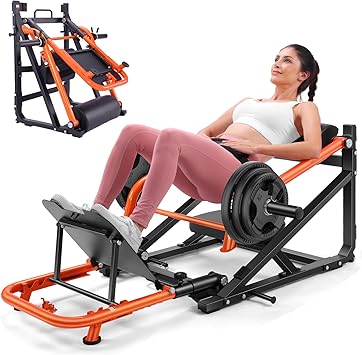
When it comes to building a stronger posterior, hip thrust machines have become a staple in many home gyms. With options like the ANCHEER Hip Thrust Machine and the JELENS 800LB Hip Thrust Machine, choosing the right one can be a bit daunting. In my experience, both of these machines offer great features, but they cater to slightly different needs and preferences. I’ve had the chance to use both machines, so let’s dive into a comparison of these heavy-duty hip thrust machines to help you make an informed decision.
|
|

|
|
$9.99
|
$369.99
|
Starting with the design, the ANCHEER Hip Thrust Machine boasts a sturdy frame that can support up to 800 pounds. It features a padded backrest, which is crucial for comfort during those heavy lifting sessions. The overall construction feels solid, and the compact design means it doesn’t take up too much space in your gym. The frame is made from high-quality steel, ensuring durability and stability during intense workouts. Additionally, the anti-slip foot pads provide extra safety, preventing any unwanted movement while you’re pushing through those challenging sets.
On the other hand, the JELENS Hip Thrust Machine also offers an impressive 800-pound capacity and comes with a weight holder, which is a nice bonus for keeping your weights organized. The design includes a padded seat and backrest, making it comfortable for extended workouts. The padding is made from high-density foam, which not only enhances comfort but also helps to reduce fatigue during longer sessions. One thing I noticed is that the JELENS model has a slightly larger footprint, which might matter if you’re working with limited space. However, this larger design also contributes to its overall stability, making it a reliable choice for heavy lifts.
In terms of aesthetics, both machines have a sleek and professional look. You can easily fit either into a home gym without it feeling out of place. The color schemes are neutral, allowing them to blend seamlessly with various gym decors.
When it comes to performance, both machines deliver on their promises. The ANCHEER Hip Thrust Machine provides a smooth movement that engages the glutes effectively. I found that the resistance was consistent throughout the lift, allowing for a more efficient workout. The adjustable height settings are also a plus, making it easier to find the right position for your body. This feature is particularly beneficial for users of different heights, ensuring that everyone can perform the hip thrusts correctly and comfortably.
The JELENS machine, however, takes things up a notch with its weight holder. This feature lets you easily switch out weights without having to get off the machine, which can save time during your workout. I appreciated this design as it made my sessions feel less interrupted. The user-friendly design of the weight holder allows for quick adjustments, which is essential during high-intensity training or when you’re in a superset routine. Both machines allow you to focus on your form, which is critical for getting the most out of hip thrusts. Proper form ensures that you are targeting the glutes effectively while minimizing the risk of injury.
In my experience, both machines perform well, but if you’re someone who likes to switch weights frequently, the JELENS may have the edge. The overall functionality of both machines is impressive, but the slight differences in design and usability can significantly impact your workout experience.
Let’s break down some pros and cons for each machine to help clarify their strengths and weaknesses.
Pros:
Cons:
Pros:
Cons:
Choosing between these two machines really comes down to your personal preferences and workout style. If you’re someone who values compactness and simplicity, the ANCHEER Hip Thrust Machine might be your best bet. It’s straightforward, effective, and fits nicely in smaller spaces. This makes it a great option for beginners or those who are just starting to incorporate hip thrusts into their routine.
On the flip side, if you often find yourself switching weights or doing supersets, the JELENS 800LB Hip Thrust Machine may be more suited to your needs. The built-in weight holder is a significant advantage for those looking to optimize their workout time. Additionally, the stability and comfort offered by the JELENS machine can enhance the overall lifting experience, especially for more experienced lifters who are pushing their limits.
After considering all aspects, both the ANCHEER and JELENS hip thrust machines stand out in their own right. If I had to recommend one, I’d lean towards the JELENS model due to its added functionality with the weight holder. It enhances the workout experience, particularly for those who lift heavy or frequently change weights. However, if space is a significant constraint in your home gym, the ANCHEER is still an excellent choice that provides solid performance and comfort.
Ultimately, both machines will help you achieve your fitness goals, especially when it comes to strengthening your glutes and improving your overall lower body strength. The decision will depend on your specific needs, preferences, and workout habits.
|
|
|
|
$9.99
|
$369.99
|
The ANCHEER Hip Thrust Machine has a weight capacity of 800 pounds, which makes it suitable for heavy lifters looking to maximize their strength training.
Yes, the JELENS Hip Thrust Machine is designed for easy assembly. Most users have reported being able to put it together in under an hour with basic tools. The instructions are clear, and all necessary components are included in the package.
While both machines are designed primarily for hip thrusts, you can also incorporate other movements like glute bridges and some variations of leg presses, depending on your comfort and setup. This versatility can add value to your workout routine.
The ANCHEER model is more compact and requires less space, while the JELENS model has a larger footprint. Make sure to measure your workout area before purchasing to ensure you have enough room for your chosen machine.
To keep your hip thrust machine in good condition, regularly check for loose bolts and clean the padded areas to prevent wear and tear. Avoid using it in damp conditions to protect the metal components. Additionally, lubricating the moving parts occasionally can enhance performance and longevity.