When it comes to building a strong lower body, the hip thrust is a game-changer. If you’ve spent any time in the gym or even just browsing fitness content online, you know the benefits of this exercise. However, not everyone has the luxury of a personal trainer or access to a well-equipped gym. That’s where plate-loaded hip thrust machines come into play. These machines can help you target your glutes and hamstrings effectively, all while providing the right support and stability.
Having used a few different types of equipment over the years, I can say that investing in a good hip thrust machine is worth it. It not only simplifies the process but also ensures that you maintain proper form, reducing the risk of injury. Let’s dive into some of the best plate-loaded hip thrust machines available today.
|
|

|

|
|
$9.99
|
|
$319.99
|
Most people don’t realize how vital hip thrusts are for overall strength and performance. This exercise primarily targets the gluteus maximus, one of the largest muscles in your body. Strong glutes contribute to better athletic performance, improved posture, and even a reduced risk of injury. However, performing hip thrusts without the right kind of support can lead to improper form, which defeats the purpose of the exercise. That’s where these machines shine.
Plate-loaded hip thrust machines are designed to provide that support. They allow you to load the weight evenly, which helps you focus on the movement without worrying about balancing a barbell. Plus, they often come with adjustable footboards and padding, making them suitable for users of various sizes and skill levels.
The ANCHEER Hip Thrust Machine stands out for its solid construction and impressive weight capacity. With a maximum load capacity of 800 lbs, this machine can accommodate even the most intense workouts. I remember the first time I used it; the sturdy frame made me feel secure, and I could really focus on my form.
One of the standout features is the adjustable footplate, which allows you to customize your workout. The padded backrest is another plus, providing comfort even during extended sessions. I appreciated how easy it was to get into position, thanks to the thoughtful design, which minimized any fuss before I started my sets.
However, it’s worth noting that while the ANCHEER machine is robust, it can be a bit bulky. If you’re working with limited space, you may need to consider how it fits into your workout area.
Next up is the GMWD Hip Thrust Machine, which also boasts an 800 lbs capacity. What I found particularly appealing about this model is its sleek design. It has a smaller footprint compared to the ANCHEER, making it a great option for home gyms where space is at a premium.
The GMWD machine features an adjustable backrest and foot platform, allowing for customizable workouts based on your height and comfort level. I found the padding to be quite comfortable, which is essential if you’re planning on doing multiple sets. One minor downside is that the assembly can be a bit tricky, so having a friend help can make the process smoother.
In terms of performance, this machine excels at providing stability during lifts. I really felt engaged in my glutes, and the added weight made a noticeable difference in my strength training routine. For anyone looking to target their lower body effectively, this machine is a solid choice.
Another fantastic option is the Hip Thrust Machine with Adjustable Footboard. Like the others, it supports an impressive 800 lbs, making it a staple for serious lifters. I was pleasantly surprised by the versatility of this machine. The adjustable footboard allows you to find the perfect angle for your thrusts, which is crucial for maximizing your workout.
The design is straightforward yet effective. It has robust construction, and the padded sections are designed to support your back and hips, reducing discomfort during heavy lifts. I particularly enjoyed how easy it was to switch between different weight plates, making this machine user-friendly for individuals of all experience levels.
One thing to keep in mind is that the machine does take up some space. However, if you have room, it’s definitely worth it for the results you’ll achieve.
When looking at all three machines, it’s clear they each have their strengths. The ANCHEER is ideal if you’re prioritizing load capacity and durability. On the other hand, the GMWD stands out for its compact design, making it great for smaller spaces. Lastly, the adjustable footboard model offers flexibility in exercise angles, which can enhance your training.
If you’re someone who finds themselves consistently aiming for heavier weights, the ANCHEER might be your best bet. For those in tighter spaces, the GMWD is excellent without sacrificing performance. Meanwhile, the adjustable footboard model caters to those who want to tweak their workouts regularly.
Investing in a good plate-loaded hip thrust machine can take your lower body workouts to the next level. Each of the models we discussed offers fantastic features that cater to different needs. If I had to recommend one, I’d lean toward the GMWD Hip Thrust Machine for its blend of performance and space-saving design.
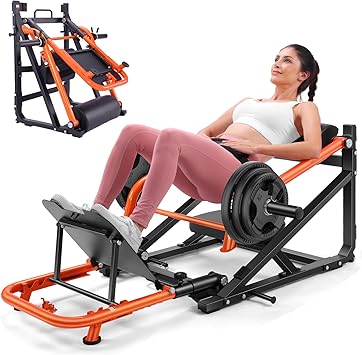
This heavy-duty glute bridge machine is designed for building glute muscles and shaping the butt. It features an adjustable footboard and a weight holder for added convenience.
In conclusion, whether you’re a beginner looking to build strength or a seasoned lifter aiming to enhance your routine, a plate-loaded hip thrust machine can be a valuable addition to your fitness arsenal.
Using a hip thrust machine provides stability and support, which helps maintain proper form and reduces the risk of injury. It also allows for easier loading of weights compared to free weights.
Consider factors like space, weight capacity, and adjustability. If you have limited space, a more compact model might be ideal. If you lift heavy, look for machines with higher weight limits.
While they are primarily designed for hip thrusts, some models may allow for variations like glute bridges or even abductor exercises. Check the manufacturer’s guidelines for suggestions.
You can absolutely perform hip thrusts with a barbell on the floor or a bench. However, a machine provides added comfort and stability, which can enhance your workout experience.
For optimal results, aim to incorporate hip thrusts into your routine 1-3 times a week, depending on your overall workout plan and recovery needs.