When it comes to creating a home gym, flooring is one of the most critical aspects to consider. The right flooring not only protects your space but also enhances your workout experience. Many people gravitate toward 1/4″ Tough Gym Flooring because of its durability and resilience. However, there are other options out there that might suit your needs just as well, if not better.
In my experience, choosing the right flooring is about balancing comfort, protection, and maintenance. Sometimes, what seems like the best option on paper might not be the most practical for your particular situation. Let’s explore some alternatives to 1/4″ Tough Gym Flooring that can provide you with comfort, support, and durability.
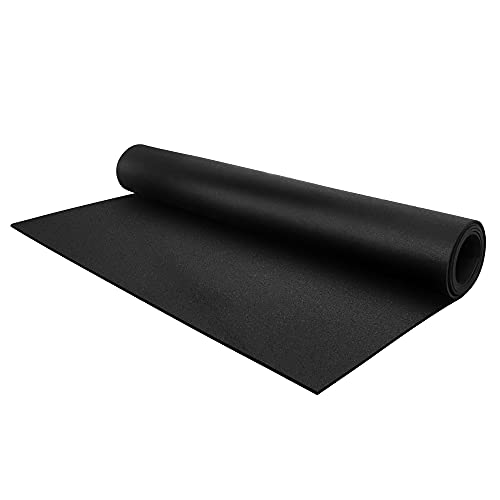
Flexible recycled rubber flooring suitable for home gyms, sheds, horse stalls, or trailers. Heavy-duty mat designed for durability and ease of use.
One of the first alternatives to consider is the AIRHOP 0.79″ Thick High-Density Foam Gym Mats. These mats are known for their excellent cushioning and shock absorption. If you do a lot of high-impact workouts, these mats can help reduce the strain on your joints. I’ve used these mats for yoga, HIIT sessions, and even some weight training, and they provide a surprisingly good grip while still offering comfort.
The high-density foam construction makes them light yet durable. They are also water-resistant and easy to clean, which is a huge plus for anyone looking to maintain a fresh workout space. The mats are available in various sizes and can be laid out in different configurations to fit your space. Plus, they are portable, so if you ever decide to rearrange your gym, it won’t be a huge hassle.
When weighing your options, it’s essential to consider both the pros and cons. For the AIRHOP mats, the major advantages include their cushioning, portability, and ease of maintenance. They also come with a non-slip surface, which is crucial for safety during workouts. However, keep in mind that while they are great for bodyweight exercises and lighter lifting, they may not provide the same level of support for heavy equipment as tougher rubber flooring would.
On the downside, if you plan to do a lot of heavy lifting, you might find these mats compress more than you would like, potentially leading to instability. They are fantastic for aerobics and stretching but might fall short for powerlifting or Olympic lifts.
It’s understandable to wonder why you would choose foam mats over traditional rubber flooring. The answer boils down to your specific workout needs and preferences. If you prefer a softer surface that offers more cushioning for activities like yoga or Pilates, the AIRHOP mats are a fantastic choice. They can also be more comfortable for floor exercises, making them an excellent option for those who do a lot of mat work.
Additionally, if space is a concern, foam mats can be easier to store than heavy rubber rolls. You can roll them up and tuck them away when not in use. This flexibility is particularly appealing for those who have a multi-use space where the gym area needs to be versatile.
When it comes to flooring, cost is always a factor. The initial investment for 1/4″ Tough Gym Flooring can be higher compared to foam mats. However, rubber flooring typically lasts longer and can handle heavy weights without showing signs of wear. That being said, if your workouts are less intense, the AIRHOP foam mats might be a more economical choice in the short term.
In my experience, it’s essential to consider the long-term value of your investment. If you think you’ll eventually transition to heavier lifts or more intense workouts, investing in rubber flooring might save you from needing to replace your mats down the line. Conversely, if you’re primarily focused on bodyweight exercises or lighter activities, the foam mats could serve you well for years to come.
Regardless of which flooring option you choose, maintenance is a crucial aspect to ensure longevity. For foam mats, regular cleaning with a mild detergent can help keep them in good condition. Avoid using harsh chemicals, as they can damage the surface.
On the other hand, rubber flooring is usually more resistant to stains and odors, but it can still benefit from occasional cleaning. A simple mop with a mixture of water and vinegar can help maintain its appearance without damaging the material.
One thing to keep in mind is that rubber flooring can be heavier and more challenging to move when it needs to be cleaned or adjusted, while foam mats are generally more user-friendly in this regard.
When considering alternatives to 1/4″ Tough Gym Flooring, the AIRHOP 0.79″ Thick High-Density Foam Gym Mats stand out for their cushioning and versatility. They are especially suitable for lighter workouts and activities that require a softer surface. However, if you are planning to incorporate heavier lifts into your routine, you might want to reconsider rubber flooring for its durability.
Ultimately, the best choice depends on your workout style, space, and budget. Think about what you prioritize in your home gym… comfort, durability, or versatility… and choose accordingly.
This set includes 12 interlocking puzzle floor tiles, each measuring 24"x24". Ideal for home gym use, these mats provide a durable and cushioned surface for various exercises.

It depends on your workout routine. Foam mats offer more cushioning, making them great for activities like yoga or aerobics. In contrast, rubber flooring provides better support for heavy lifting and is generally more durable.
While foam mats can cushion your body during workouts, they may compress under heavy weights, which could affect your stability and safety. For serious lifting, rubber flooring is typically recommended.
You can clean foam mats using a mild detergent mixed with water. Avoid harsh chemicals, as they can damage the surface. Regular cleaning helps maintain their appearance and longevity.
Foam mats generally have a shorter lifespan than rubber flooring, especially if used for heavy workouts. However, if your workouts are primarily lighter, foam mats can last several years with proper care.
Yes, many people choose to mix different types of flooring to accommodate various exercises. Just ensure that the transition between materials is safe and that both surfaces meet your workout needs.