
When it comes to building a home gym or upgrading your workout routine, weight plates are often at the top of the list. Steel weight plates are traditional, reliable, and have been the go-to choice for many lifters. However, they are not the only option available, and in my experience, sometimes they aren’t even the best choice. If you’re looking for alternatives, you’ve come to the right place. Let’s dive into what you can buy instead of steel weight plates and why you might want to consider them.
|
|

|
|
$175.00
|
$139.99
|
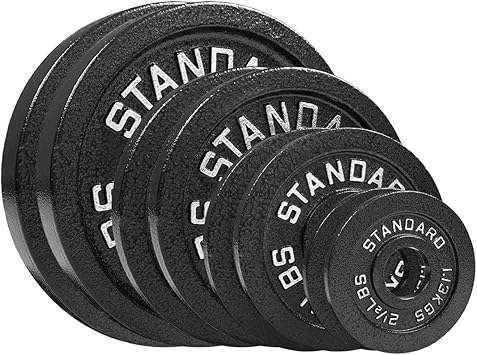
Steel weight plates, like the Steel Weight Plates 85LB Set, are durable and provide a classic feel when lifting. However, they do come with some downsides. For starters, they can be quite heavy and cumbersome to handle, especially if you’re trying to load and unload them from barbells or storage racks. Their solid construction means they can also scratch floors and equipment if not handled carefully. Additionally, they can be noisy when dropped or clanked together, which might not be ideal if you’re lifting in an apartment or shared space.
Another point to consider is the cost. While steel plates are often regarded as a long-term investment, you might find alternatives that offer better value for your money, especially if you are just starting out or want a more versatile option.
If you’re looking for something that provides durability without the drawbacks of steel, consider rubberized options like the XDDIAS 2-Inch Rubber Olympic Weight Plates Set. These plates offer a number of advantages that make them a worthy alternative. For one, the rubber coating means they are less likely to damage your floors or equipment. They also tend to be quieter than steel plates, which is a big plus if you want to keep the noise down during your workouts.
In my experience, rubber weights are easier to handle. Their design allows for a more comfortable grip, and they are generally safer to drop if needed. This can be particularly beneficial for those who are training alone or are new to weightlifting and may not always have perfect form. The rubber material absorbs impact better than steel, reducing the risk of injury.
When you think about your fitness goals, versatility is key. Rubber Olympic weight plates, like the XDDIAS set, often come with a standard 2-inch center hole that fits most Olympic bars. This means you can easily integrate them into various exercises, from squats to deadlifts and even Olympic lifts. Their design often allows for stacking, which can save space in your home gym.
Steel plates, while functional, can sometimes limit your workout options. Their bulkiness might make you less inclined to mix up your routines. Rubber plates, on the other hand, lend themselves well to circuit training or dynamic workouts where quick transitions are necessary. I’ve found that having a variety of weights at my disposal makes it much easier to customize my workouts and keep things fresh.
When considering your options, it’s essential to think about the long-term investment. While a Steel Weight Plates 85LB Set might seem like a solid choice, rubber plates can provide significant savings, especially if you’re looking to build a complete set. Rubber plates tend to be priced competitively, and their durability means you won’t have to replace them as often.
If you’re a beginner or on a budget, the initial cost of a set of rubber plates may be more appealing than investing in heavy steel plates. This is especially true if you’re not sure how much you’ll lift in the future. I’ve seen many people start with rubber plates and gradually build their collections without breaking the bank.
Lastly, let’s talk about comfort and safety. The rubber coating on Olympic plates often has a slight give to it, making it more forgiving on your hands and body compared to the cold, hard surface of steel weights. If you’ve ever had a barbell slip or felt discomfort during a lift, you know how crucial this can be.
Additionally, the risk of injury is lower with rubber plates. Their design minimizes the chance of slipping or dropping, which can be a concern with steel plates, especially for inexperienced lifters. I’ve noticed that my confidence in lifting increases when I use equipment that feels safe and secure, allowing me to focus on my form and progress rather than worrying about accidents.
In summary, while steel weight plates like the Steel Weight Plates 85LB Set have their advantages, they are not the only option available for home gym enthusiasts. Rubber Olympic weight plates, such as the XDDIAS 2-Inch Rubber Olympic Weight Plates Set, offer a range of benefits that can enhance your workout experience. From improved safety and comfort to versatility and cost-effectiveness, rubber plates might just be the better choice for many lifters.
If you’re considering an upgrade or a new addition to your gym, it might be worth exploring these alternatives. They can provide the functionality and durability you need without the downsides of traditional steel plates.
Rubber weight plates are designed to withstand regular use and can be quite durable. While they may not be as indestructible as steel, they are less prone to chipping and damage from drops, making them a practical choice for home gyms.
Yes, rubber Olympic weight plates, like the XDDIAS set, are designed specifically for Olympic lifting. They have a standard 2-inch center hole and fit most Olympic bars, allowing for a safe and effective lifting experience.
In general, rubber plates may have a slightly larger profile due to their design, but they are usually stackable and can be organized efficiently. This means they won’t take up significantly more space than steel plates.
Cleaning rubber weight plates is simple. Use a damp cloth with mild soap to wipe them down regularly. Avoid harsh chemicals that can damage the rubber surface.
Absolutely! Rubber plates are often recommended for beginners due to their safety features, ease of handling, and lower risk of injury. They can help build confidence as you develop your lifting technique.